IP Television vs Traditional TV: What's the Difference?
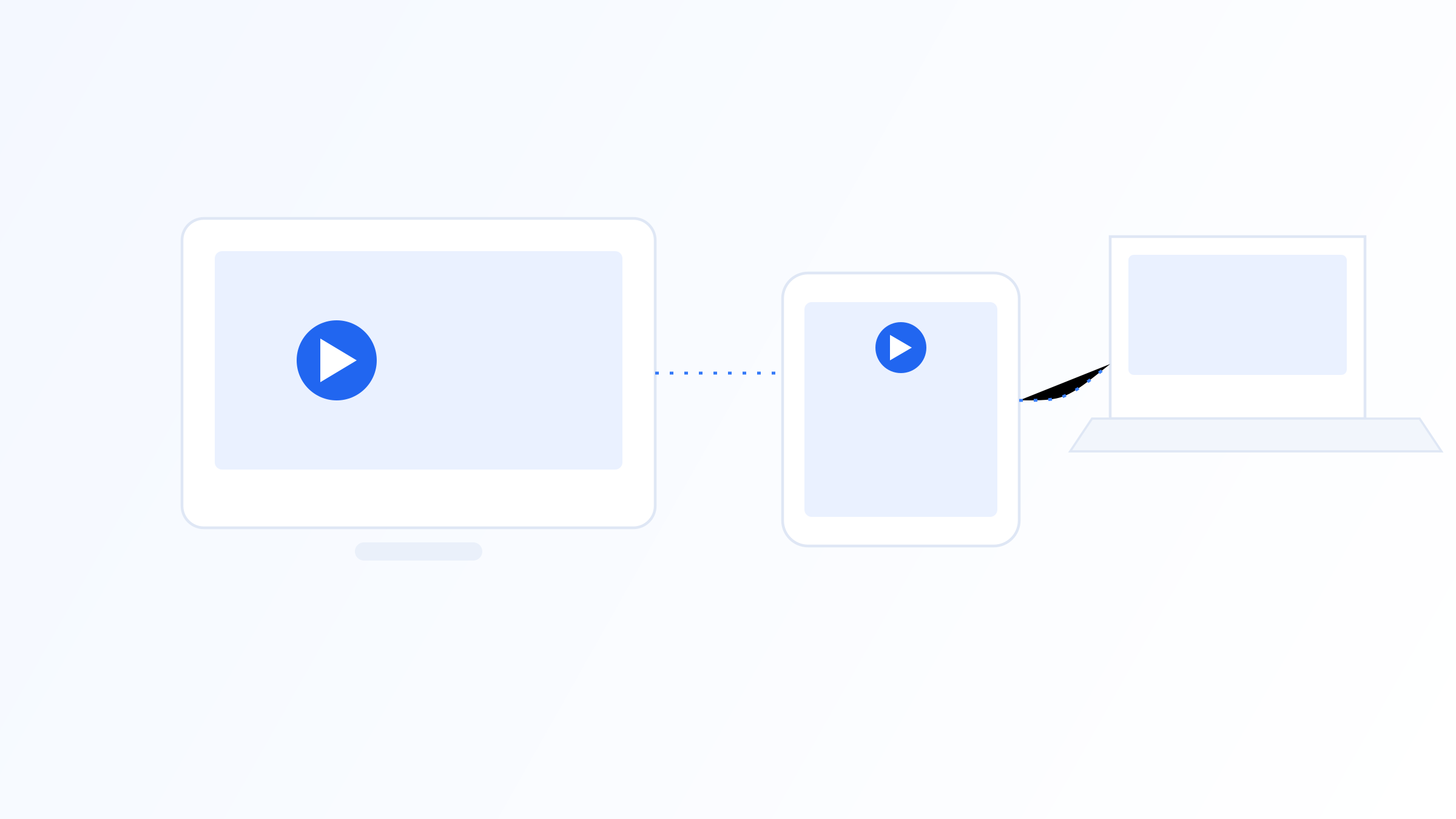
"IP television" and "traditional TV" are often discussed as if they're simply different brands of the same thing, but the underlying technology is genuinely different. One delivers video as broadcast signals through the air, satellite, or dedicated cable; the other delivers it as data packets over the internet, and that difference shapes nearly everything else about how each one behaves.
This comparison breaks down the differences that actually matter: how signals reach your screen, what equipment each requires, how flexible each is with content, and where each approach tends to be more or less reliable, so you can weigh the tradeoffs based on how your household actually watches television day to day, rather than simply on assumptions carried over from whichever system you originally grew up with.
How Signals Reach Your Screen
Traditional TV, whether over-the-air broadcast, satellite, or cable, sends a continuous signal to every receiving device simultaneously, tuned to specific frequencies or channels. Your television or set-top box tunes into that fixed signal, similar to how a radio tunes into a station, receiving the same broadcast as every other household watching that channel at that moment, regardless of how many other viewers are tuned in.
IP television works differently. Content is requested by your device and delivered as a stream of data packets over an internet connection, using the same general networking principles as loading a webpage. Instead of tuning into a broadcast, your player app connects to a server and receives your selected channel or program specifically.
This request-based model is also why IP television can support features that broadcast systems weren't originally designed for, such as picking up a program partway through on a different device, or browsing a program guide that updates dynamically rather than relying on a printed or pre-loaded schedule, which stays accurate even as programming changes at short notice.
Infrastructure and Equipment
Traditional TV requires dedicated infrastructure: an antenna for over-the-air broadcast, a satellite dish for satellite TV, or a coaxial cable line for cable television, plus a compatible receiver or set-top box. This infrastructure is purpose-built for television delivery and generally doesn't serve other functions, unlike the general-purpose internet connection that underpins IP television, which does double duty for browsing, gaming, and everything else in the household.
IP television uses infrastructure you likely already have: a home internet connection, a router, and a device capable of running a player app, whether that's a dedicated IPTV box, smart TV, phone, or computer. No dedicated dish, antenna, or cable line is required, since the same internet connection also handles browsing, gaming, and other everyday use.
This also means installation looks very different between the two. Setting up traditional TV often involves professional installation of a dish or cable line, while setting up IP television is typically a matter of connecting a device to an existing network and installing a player app, something most people can do themselves in a few minutes, without needing to schedule an appointment or wait for a technician to visit.
Channel Flexibility and On-Demand Access
Traditional broadcast and cable are largely schedule-driven; you watch what's airing when it airs, with on-demand access limited to whatever the provider separately offers through a recording box or dedicated on-demand menu. Channel selection is generally fixed by your provider's package, and changing it usually means contacting the provider directly rather than adjusting a setting yourself, often involving a phone call or a formal plan change.
IP television is inherently more flexible in structure, since content is requested rather than broadcast. This makes on-demand libraries, catch-up viewing, and detailed program guides more natural to implement, though the actual content available always depends on your specific source or subscription, so the underlying flexibility only matters as much as what you actually have access to.
This flexibility also extends to how many devices can access content at once. Traditional pay-TV packages often limit simultaneous viewing based on the number of receivers installed, while IP television's device flexibility depends on the player app and account setup rather than physical wiring, though individual sources may still set their own limits on simultaneous streams, so it's worth checking this detail rather than assuming unlimited simultaneous viewing.
Reliability and Quality Considerations
Traditional broadcast and satellite signals can be affected by weather, physical obstructions, or line-of-sight issues, but once a stable signal is established, quality tends to be consistent regardless of how many households are watching. Cable television is generally reliable within its coverage area, since it uses a dedicated physical line, though even that can be affected by physical damage to the line itself.
IP television's reliability depends heavily on your internet connection: bandwidth, latency, and network stability all affect playback quality. A strong, stable connection can deliver excellent quality, but network congestion or a weak Wi-Fi signal can cause buffering or reduced quality in ways that don't affect traditional broadcast reception, which can make troubleshooting feel less predictable at first.
Adaptive streaming techniques help narrow this gap by automatically adjusting video quality to match current network conditions, trading some resolution for continuity rather than freezing entirely. This makes modern IP television noticeably more resilient to fluctuating connections than early implementations of the technology were, when a brief connection drop was far more likely to interrupt playback entirely.
Pros and Cons of Each Approach
Traditional TV's strengths are its dedicated infrastructure and consistent quality once connected, along with not competing for bandwidth with other internet activity. Its downsides include less flexibility around on-demand content and being tied to fixed equipment like a dish or cable line, which can be inconvenient to relocate or upgrade.
IP television's strengths are flexibility, use of existing internet infrastructure, and support for features like program guides and on-demand access across multiple devices. Its main downside is a direct dependency on internet quality, meaning a poor connection undermines the whole experience regardless of how good the player app itself is, no matter how polished its interface or feature set.
There's also a cost structure difference worth noting. Traditional TV often bundles equipment rental or installation fees into ongoing costs, while IP television generally shifts spending toward a one-time device purchase and reliance on an internet connection you likely already pay for regardless of how you watch television, which can make the ongoing cost comparison less straightforward than it first appears.
Making the Choice for Your Household
For households with fast, stable internet and an interest in flexibility across devices, IP television generally offers a more adaptable experience without needing dedicated broadcast infrastructure, especially once the initial setup is out of the way. For households in areas with limited or unreliable internet, traditional broadcast or cable may still provide more consistent day-to-day reliability, at least until local internet infrastructure catches up.
Many households don't have to choose exclusively. Keeping an antenna for local channels while using an IP television setup for additional content and flexibility is a common, practical middle ground that hedges against the weaknesses of either approach on its own, giving you a fallback if either connection has an off day, so a single point of failure doesn't take your whole viewing setup down with it.
Testing your actual internet connection during peak viewing hours, rather than relying on the advertised maximum speed, gives a more realistic picture of whether IP television will perform well in your household before you commit to a full setup built around it, saving you from an expensive surprise later on.
IP television and traditional TV aren't just cosmetic variations of the same idea, they're built on fundamentally different delivery methods with different strengths. Traditional TV offers consistent quality through dedicated infrastructure, while IP television trades that dedicated infrastructure for flexibility and reliance on your existing internet connection. Knowing these tradeoffs, and considering a hybrid approach where practical, helps set realistic expectations for whichever setup fits your household, rather than assuming one approach is universally better than the other, since the right answer genuinely depends on your household's specific circumstances.
Related on our site
Further reading
Quick FAQ
Does IP television require faster internet than regular browsing?
For HD or 4K streaming, yes, meaningfully more bandwidth is needed than typical web browsing, especially if multiple devices are streaming at once on the same network.
Can I use both traditional TV and IP television?
Yes, many households use both, for example keeping over-the-air antenna access for local channels while using an IPTV player app for additional content and on-demand flexibility.
Which is more affected by weather, IP television or satellite TV?
Satellite TV can be disrupted by severe weather affecting the dish signal, while IP television is generally unaffected by weather but can be affected by your internet provider's network conditions instead.
Do I need a set-top box for either option?
Traditional TV often requires a receiver or set-top box matched to your provider. IP television similarly benefits from a dedicated IPTV box or player app, though many smart TVs can run IPTV apps directly.
Ready to set up your own IPTV player?
View Pricing PlansReminder: use only legally licensed playlists and content sources. See our Legal & Responsible Use FAQ.